Why Many Welders Report Pain And How Positioning Technology Reduces It

Key Takeaways
- A significant 67% of welders experience musculoskeletal pain, primarily in the back, neck, and shoulders, due to poor ergonomics.
- Injuries are caused by forcing welders to adapt to the workpiece through awkward postures, repetitive motion, and manual lifting.
- Welding positioners reverse this by moving the workpiece for the welder, using lift, tilt, and rotation to keep the operator in a safe, neutral posture.
- Proper positioning technology dramatically increases productivity by maximizing arc-on time, improves weld quality by enabling consistent down-hand welding, and reduces operator fatigue.
- Solutions range from manual positioners for light, flexible tasks to heavy-duty programmable systems for automated production, offering a clear ROI by reducing injuries and boosting output.
Welding is a craft of precision and strength, but for too long, the physical toll it takes on the skilled professionals who practice it has been accepted as “part of the job.” The constant stooping, reaching, and muscling of heavy equipment leads to chronic pain that can shorten careers and diminish quality of life. It’s a silent epidemic in the industry.
How widespread is it? A systematic review of 23 studies confirmed that a staggering 67% of welders suffer from musculoskeletal disorders (MSDs). This isn’t just occasional soreness; it’s career-threatening pain in the back, neck, and shoulders that leads to downtime, costly medical claims, and the loss of highly skilled talent.
But what if the solution wasn’t to work through the pain, but to eliminate its root cause? This article explores how ergonomic welding positioners are fundamentally changing the craft, transforming it from a high-risk profession into a sustainable, long-term career. We’ll break down how this technology works, the compounding benefits it offers beyond safety, and how to choose the right solution for your team.
The Unseen Toll: The High Rate of Musculoskeletal Pain in Welding
The 67% statistic is more than a number; it represents millions of skilled workers facing daily discomfort. According to the same research, the most common complaints are concentrated in three key areas:
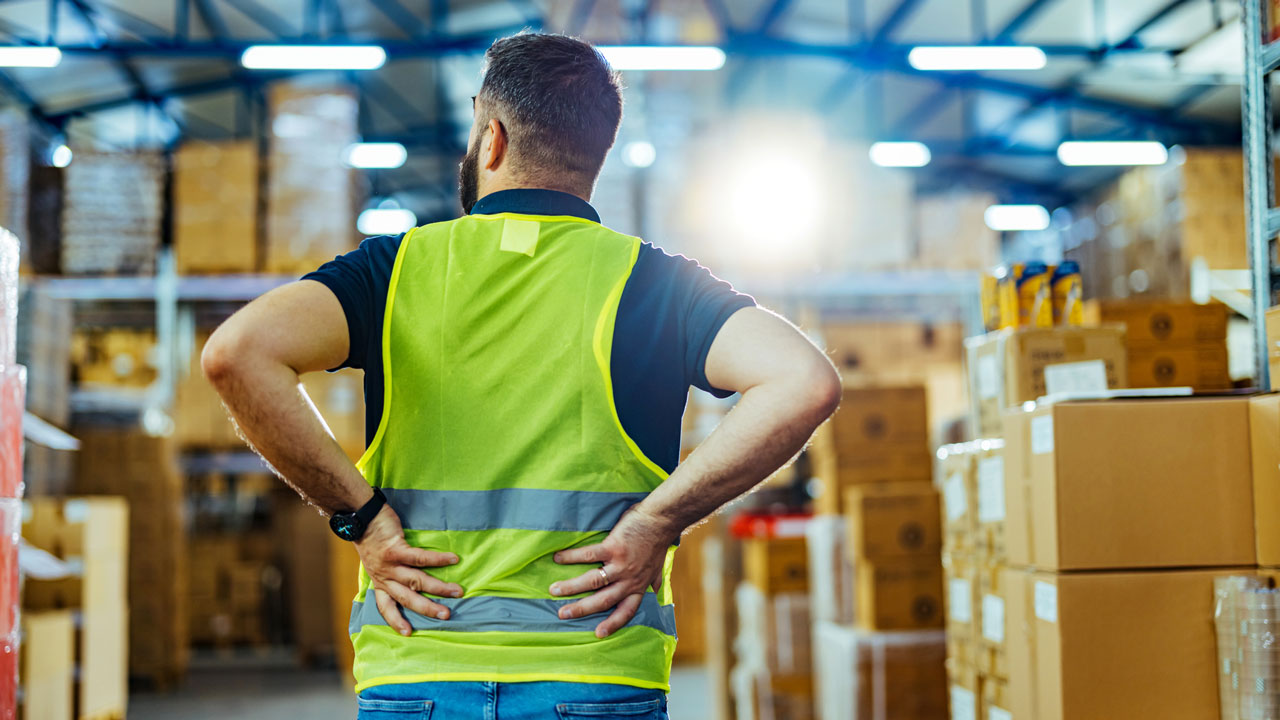
- Lower Back Pain: Caused by prolonged bending, static stooped postures, and the manual lifting or rotating of heavy weldments. This constant spinal load is a leading cause of debilitating injury.
- Neck and Shoulder Strain: Holding a torch and helmet steady while reaching for an awkwardly positioned seam forces the neck and shoulder muscles into unnatural, static contractions. Over time, this leads to chronic pain, reduced mobility, and repetitive strain injuries.
- Repetitive Motion Injuries: Welding often involves repeating the same motions under load for hours. Without proper ergonomic support, this leads to conditions like tendonitis and carpal tunnel syndrome, compromising a welder’s ability to perform precise work.
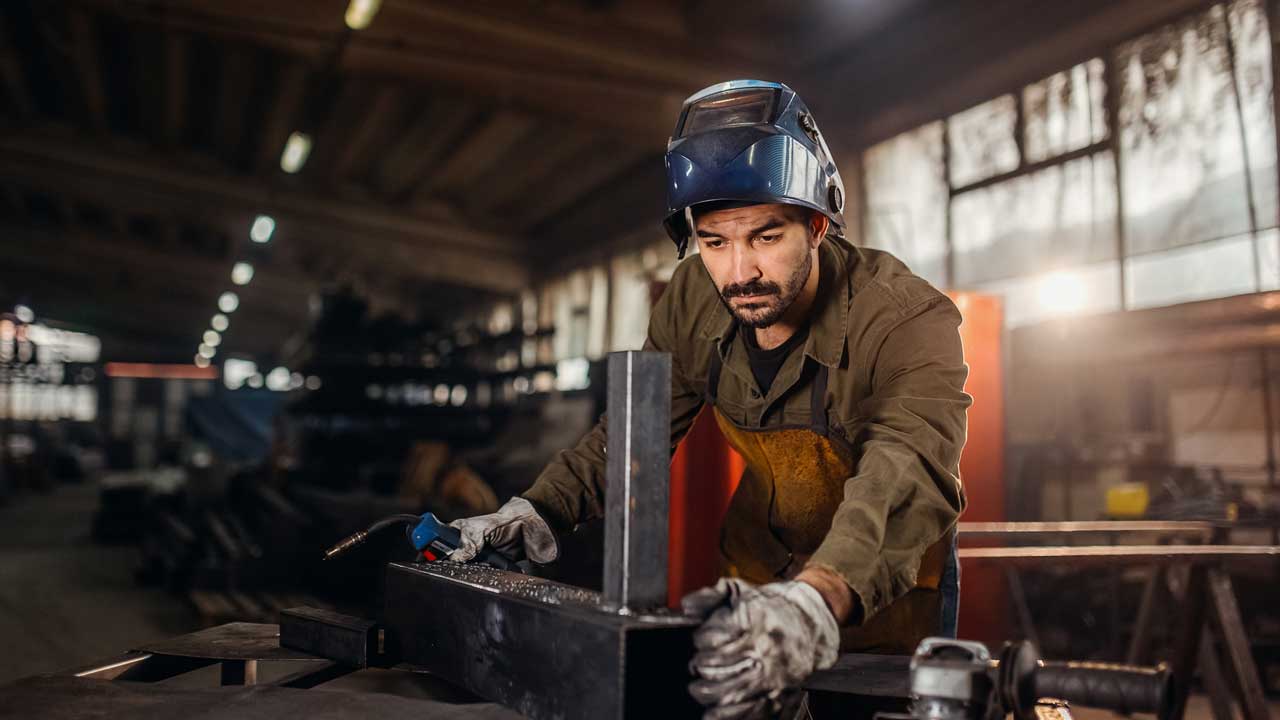
These issues stem from a single, core problem: the welder is forced to adapt their body to the workpiece. They kneel, crouch, and stretch to reach the joint, a fundamentally unsafe and inefficient way to work. Ergonomic solutions reverse this dynamic, making the workpiece adapt to the welder.
What is a Welding Positioner and How Does It Work?
A welding positioner is a piece of mechanical equipment designed to hold, secure, and maneuver a workpiece to the optimal location for the welder. Instead of the operator physically manipulating a heavy or cumbersome part, the positioner does the work, bringing the weld seam to the welder in the ideal position.
At its core, a positioner provides three critical movements:
- Lift: Adjusts the workpiece’s height vertically.
- Tilt: Angles the workpiece, typically up to 135 degrees.
- Rotation: Spins the workpiece on an axis, often at a controlled speed.
Consider the traditional approach: a welder working on a large pipe assembly might spend 30% of their time welding and 70% climbing, crawling, and manually repositioning the part with a crane. With an ergonomic welding solution, the welder remains in a safe, stable position while the positioner effortlessly moves the pipe, presenting each seam in the perfect down-hand position. This simple change eliminates the vast majority of injury risks.
The Ergonomic Advantage: Eliminating Painful Postures and Strain
Saying a positioner reduces strain is one thing; understanding *how* it does so biomechanically reveals its true value. Each movement directly counteracts a specific, high-risk behavior common in manual welding.
First, the lift function brings the workpiece to the welder’s “power zone”—between the mid-thigh and mid-chest. Welding at this height allows the spine to remain neutral, eliminating the dangerous stooping that causes lower back injuries. As noted by safety experts at OSHA, working from a stable, upright posture significantly reduces the risk of MSDs.
Next, 360-degree rotation brings the work to the welder. Imagine welding a long seam on a cylindrical tank. Without a positioner, the welder must awkwardly reach, stretch, and walk along the workpiece. With a motorized welding positioner, the welder stays in one spot while the tank rotates at a consistent speed, keeping the arc perfectly positioned in front of them. This eliminates over-reaching and the static muscle load that causes severe shoulder and neck pain.
Finally, the tilt function ensures every weld can be a down-hand weld. Welding in the overhead or vertical position is not only physically taxing but also more technically difficult, often leading to lower-quality results. By tilting the workpiece, the joint can always be angled so that gravity works with the welder, not against them. This results in a more comfortable posture and a more consistent, higher-quality weld.
Beyond Safety: The Compounding Benefits of Proper Positioning
While eliminating career-ending pain is the primary benefit, the operational advantages of using welding positioners create a powerful business case. The ROI extends far beyond reduced injury claims.
- Increased Productivity: When welders spend less time manually wrestling with parts, they spend more time welding. Arc-on time can increase dramatically because the positioner handles the once time-consuming task of repositioning. This directly translates to higher throughput and faster project completion.
- Improved Weld Quality and Consistency: Down-hand welding is faster, easier, and produces higher-quality, more uniform welds. A positioner makes the best position the *only* position. This reduces defects, minimizes the need for costly rework, and ensures parts meet exacting quality standards.
- Reduced Welder Fatigue: A comfortable welder is a focused, productive, and safe welder. By removing the physical strain, ergonomic work positioners for welding reduce end-of-shift fatigue, which helps maintain focus, reduce errors, and improve overall morale.
Finding the Right Fit: From Manual to Motorized Solutions
The right welding positioner depends on the application, part weight, and workflow. Ergotronix offers a scalable path to ergonomic improvement.
For shops handling smaller, varied parts, a manual positioner like the Ergo Master® provides the flexibility to quickly lift, tilt, and lock a workpiece in place without the need for power.
When dealing with heavier weldments, motorized positioners are essential. Models like the Ergo Chief® and Ergo Force® provide powered lift, tilt, and rotation, allowing a single operator to safely and precisely maneuver parts weighing thousands of pounds with the push of a button. This is where you see significant gains in both safety and productivity for heavy fabrication.
For high-volume, repetitive production, programmable positioners like the Ergo Control® represent the pinnacle of efficiency. These systems can be programmed to move a workpiece through a precise sequence of positions, ensuring perfect repeatability and integrating seamlessly with automated welding processes.
An Investment in Your People and Your Productivity
Viewing ergonomic equipment like a welding positioner as a cost is a shortsighted mistake. It is an investment, one with a clear and compelling return. By designing the work to fit the worker, you are protecting your most valuable asset: your skilled team.
The ROI is measured in reduced workers’ compensation claims, eliminated downtime from injuries, and higher output from a more efficient workflow. More importantly, it is measured in the ability to retain top talent by providing a safe, modern, and sustainable work environment. As industry leaders like the American Welding Society emphasize, investing in technology that supports welder well-being is critical for the future of the trade.
Don’t wait for a recordable injury to highlight the human cost of poor ergonomics. Contact Ergotronix to take a proactive step toward building a safer, more productive, and more profitable welding operation.